

Quality Bathroom Renovations Delivered in Lenah Valley
Click to call to get a FREE quote today!
Lenah Valley’s established character homes tell the story of a suburb that has been well-loved for decades — but the bathrooms in many of those homes have not kept pace with the rest of the property. Bathroom renovations in Lenah Valley are increasingly in demand as homeowners look to bring ageing, moisture-affected, and functionally outdated bathrooms into line with modern standards without compromising the character that makes the suburb so desirable. Sitting just minutes from the Hobart CBD, Lenah Valley attracts owner-occupiers who invest in their homes for the long term, and a well-executed bathroom renovation is one of the most practical and value-adding improvements available to them.
Working across Lenah Valley and the surrounding inner Hobart area, the team here understands the construction characteristics of the suburb’s period homes — from pre-war cottages to mid-century family houses — and delivers complete bathroom renovations designed to last. Whether the scope involves a full strip-out and rebuild or a targeted upgrade of key elements, every project is approached with the same attention to waterproofing, finishes, and functionality.
CALL US AT (03) 6152 6136 OR
GET A FREE QUOTE TODAY
Bathroom Renovation Services Available in Lenah Valley
The bathroom renovation services delivered in Lenah Valley cover the full scope of what homeowners in this suburb typically require — from complete strip-outs of dated, moisture-damaged bathrooms to targeted upgrades that modernise key elements while keeping disruption to a minimum. Every project begins with a thorough assessment of the existing space, including the condition of waterproofing membranes, subfloor integrity, plumbing configuration, and tile substrate, so that the renovation is built on a sound foundation rather than over concealed problems.
Complete bathroom renovations include demolition, waterproofing to AS 3740 standards, new tiling, shower installation, vanity and tapware fitout, and all associated plumbing and electrical work. For Lenah Valley homes where the existing bathroom is small and poorly configured, layout reconfiguration is available to improve the use of available floor space. Walk-in shower conversions replace the shower-over-bath arrangements common in the suburb’s older homes, while heated floor installations address the cold tile problem that affects bathrooms in Hobart’s cooler months. Vanity upgrades, re-grouting, and ventilation improvements are also available as standalone services for homeowners working within a defined scope.
Older Homes, Modern Bathrooms: What Lenah Valley Properties Require
Lenah Valley’s housing stock spans pre-war cottages, post-war brick homes, and mid-century family properties — and the bathrooms in these homes share common characteristics that shape how a renovation must be approached. Many were built before modern waterproofing standards existed, meaning the substrate beneath existing tiles is often compromised, and moisture has frequently tracked into surrounding walls and flooring over years of use. Uneven floors, low ceilings, and non-standard room dimensions are common in the suburb’s older builds, requiring experienced assessment before any work begins.
Renovating a bathroom in an established Lenah Valley home also means accounting for the possibility of asbestos-containing materials in pre-1990 construction, which must be identified and managed in accordance with current regulations before demolition proceeds. Working within these structural realities — rather than around them — is what separates a renovation that performs long-term from one that conceals existing problems beneath new finishes.

Walk-In Shower Installations in Lenah Valley
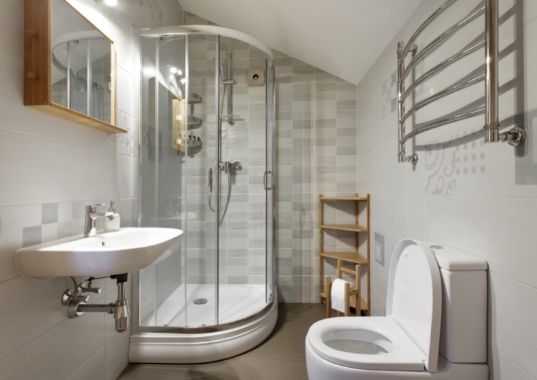
The shower-over-bath configuration is one of the most common features found in Lenah Valley’s older homes, and it is also one of the first things homeowners look to change when renovating. Walk-in shower installations replace this arrangement with a dedicated shower space that is easier to clean, safer to use, and better suited to the daily routines of a busy household. For properties with compact bathroom footprints — typical of the suburb’s mid-century builds — careful planning of the shower position, screen configuration, and drainage layout ensures the available space is used efficiently without the room feeling reduced.
Frameless and semi-frameless shower screens are well suited to Lenah Valley interiors, where the goal is often a clean, uncluttered aesthetic that complements the character of the home. Waterproofing of the shower recess is completed to AS 3740 standards, providing the structural protection that older bathrooms in the suburb frequently lack beneath their existing surfaces.
Waterproofing Standards That Protect Lenah Valley Homes
Waterproofing is the most consequential element of any bathroom renovation, and in Lenah Valley’s older homes it is frequently also the most urgent. Many bathrooms in the suburb were installed decades before AS 3740 — the Australian standard governing waterproofing of domestic wet areas — was introduced or widely enforced, meaning the existing moisture barrier, if one was applied at all, is either absent, degraded, or non-compliant. Water that bypasses an inadequate membrane over time causes progressive damage to subfloor timbers, wall framing, and adjacent rooms that is expensive to remediate once it becomes visible.
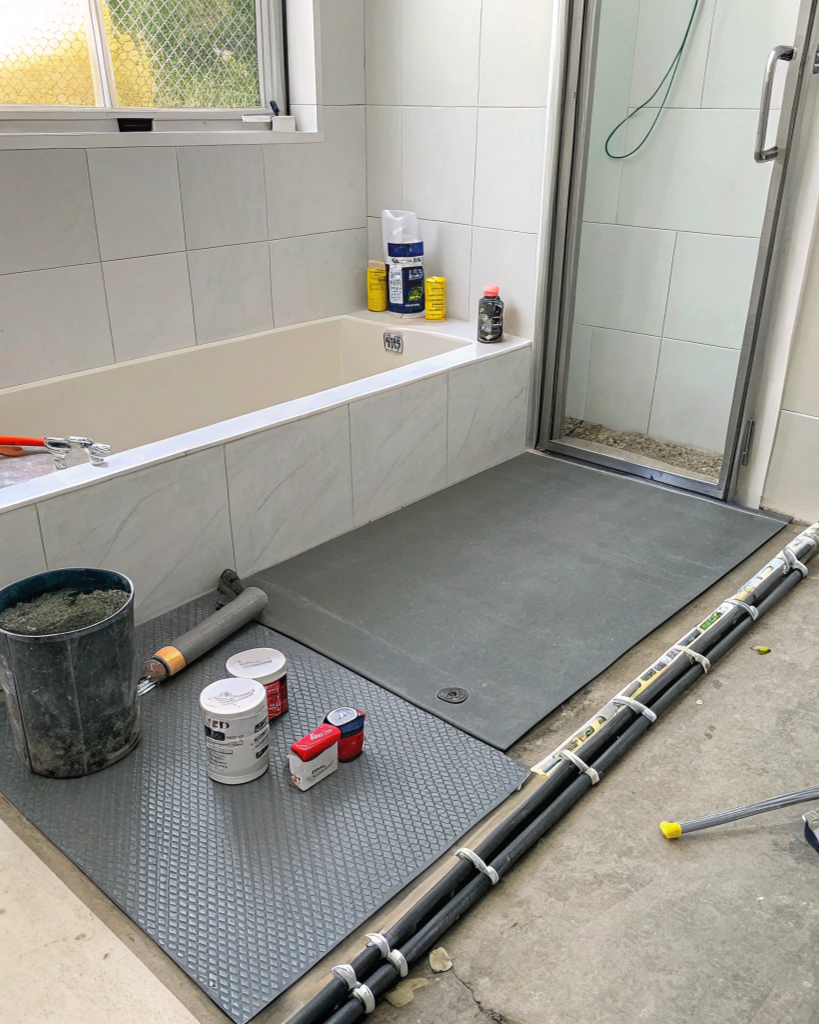
Every bathroom renovation completed in Lenah Valley applies a fully compliant waterproofing membrane to all required surfaces before any tiling proceeds. This includes the full shower recess, the floor substrate, and wall zones to the heights specified under AS 3740 for each wet area type. In bathrooms where the subfloor shows signs of existing moisture damage, structural remediation is completed prior to membrane application so the new waterproofing layer is bonded to a sound surface.
The result is a bathroom that is protected at the substrate level — not just at the surface — giving Lenah Valley homeowners confidence that the renovation will perform correctly for the long term.
Mould, Moisture, and Ventilation in Lenah Valley Bathrooms
Mould growth in bathrooms is a widespread issue in Lenah Valley, driven by the combination of Hobart’s cool, damp climate and the inadequate ventilation systems found in many of the suburb’s older homes. Bathrooms built in the 1960s through 1980s were rarely designed with mechanical extraction in mind, and the result — condensation accumulating on cold tile surfaces, grout lines retaining moisture, and ceiling materials absorbing humidity — creates the conditions in which black mould establishes and spreads. Addressing mould at the surface level without resolving the underlying ventilation and moisture problem produces only temporary results.
A bathroom renovation addresses this at the source by incorporating:
- Mechanical exhaust fan installation sized correctly for the room volume and vented directly to the exterior
- Heated towel rails that reduce ambient moisture by warming the space after use
- Heated floor systems that eliminate the cold tile surfaces on which condensation forms
- Waterproofing membrane application that prevents moisture from tracking into wall cavities and subfloor materials
- Grout and tile selection suited to high-humidity environments
For Lenah Valley homeowners dealing with visible mould, recurring dampness, or persistent condensation, a full renovation that incorporates proper ventilation design delivers a lasting solution rather than a cosmetic one.

Vanities, Tiles, and Fixtures Suited to Lenah Valley Interiors
The interior character of Lenah Valley homes calls for material and finish selections that feel considered rather than generic. Wall-hung and freestanding timber-look vanities complement the warmth of period homes without introducing elements that feel out of place, while stone-top vanities offer durability and a refined finish suited to homeowners investing in a long-term result. Tapware in brushed nickel and matte black finishes has become a practical choice across the suburb, offering longevity and visual consistency with neutral tile palettes.
For tiling, large-format porcelain tiles in warm neutrals and stone-look finishes are well suited to Lenah Valley bathrooms where the goal is a timeless result that will not date within a decade. Subway tile remains a practical choice in heritage-adjacent homes where a period reference is appropriate. Fixture selections — including shower heads, rail systems, and basin tapware — are guided by both aesthetic compatibility with the renovation design and the practical demands of daily household use.
The Bathroom Renovation Process for Lenah Valley Homeowners
| Assessment & Planning | Construction & Installation | Completion & Handover |
|---|---|---|
| Every Lenah Valley bathroom renovation begins with a thorough on-site assessment of the existing space. The condition of waterproofing, plumbing, subfloor, and wall substrate is evaluated before any scope is finalised. This stage also covers design selections — layout, tiles, vanity, fixtures, and fittings — so that materials are confirmed and lead times accounted for before demolition begins, avoiding delays mid-project. | With planning complete, the construction phase proceeds through demolition, structural remediation where required, waterproofing membrane application, tiling, and fitout of all plumbing and electrical elements. For Lenah Valley homes with a single bathroom, the timeline is managed to minimise the period of disruption. Each trade is scheduled in the correct sequence so that no stage of the build compromises the work completed before it. | Final inspection confirms that all work meets the required standards before handover. Waterproofing, tiling, screen installation, vanity fitout, and all plumbing and electrical connections are checked against the agreed scope. Lenah Valley homeowners receive a completed bathroom that has been built to perform — not just to present well on the day — with all relevant compliance documentation provided at the close of the project. |
Frequently Asked Questions About Bathroom Renovations in Lenah Valley
Bathroom renovation costs in Lenah Valley vary depending on the size of the space, the condition of the existing substrate, and the materials selected. Older homes frequently require additional work to address waterproofing deficiencies or structural issues, which should be factored into the overall budget from the outset.
Homes built before 1990 in Lenah Valley may contain asbestos-containing materials in wall sheeting, flooring underlays, or ceiling materials. Identification and safe removal by a licensed contractor is required before demolition proceeds. This is assessed during the initial site inspection and managed in accordance with current Tasmanian regulations.
Layout changes are achievable in most Lenah Valley bathrooms, subject to the existing plumbing configuration and structural constraints of the home. Relocating the shower, toilet, or vanity is possible in many cases and is assessed during the planning stage to determine feasibility and any associated cost implications.
All bathroom renovations in Lenah Valley are waterproofed to AS 3740, the Australian standard for waterproofing of domestic wet areas. This covers the shower recess, floor substrate, and wall zones to the required heights. Compliance with this standard is essential in older Lenah Valley homes where existing waterproofing is frequently absent or degraded.
Heated floors are a practical investment in Lenah Valley given Hobart’s cold winters. Hydronic and electric underfloor heating systems eliminate the discomfort of cold tile surfaces in the morning, reduce ambient moisture in the bathroom, and contribute to mould prevention by keeping floor temperatures above the condensation threshold.


